The People's Library: Williamstown's Mechanics' Institute and its Enduring Spirit
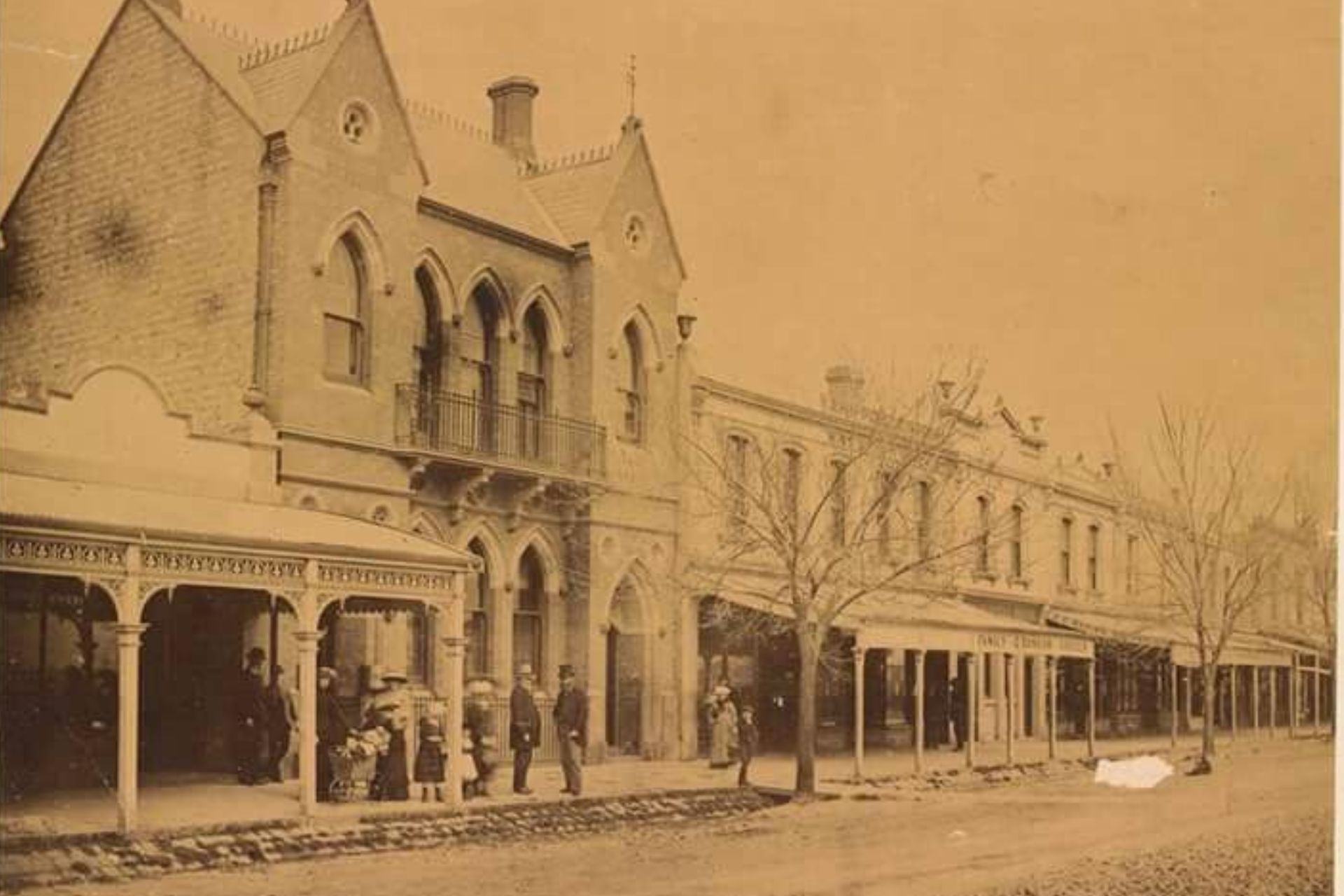
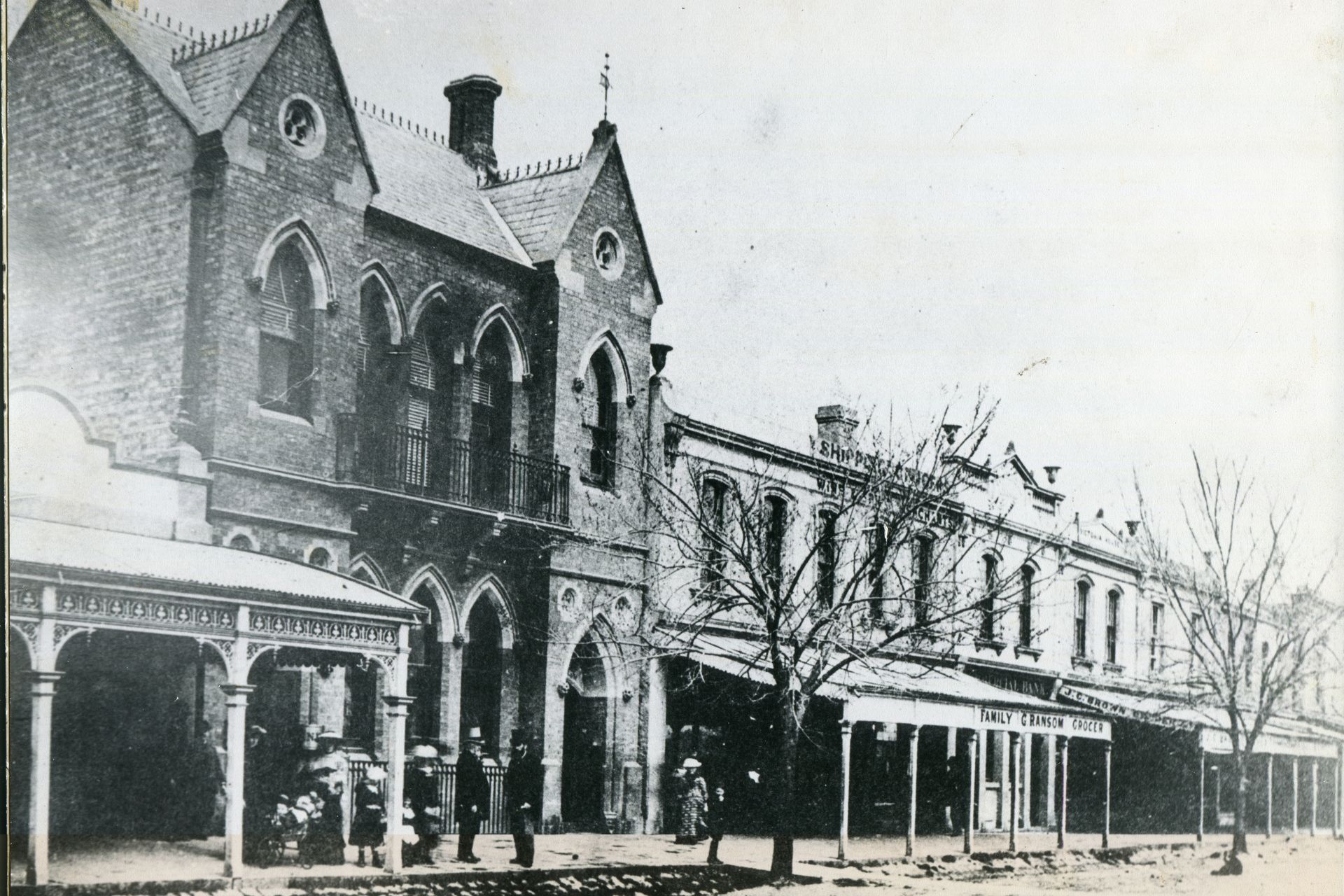
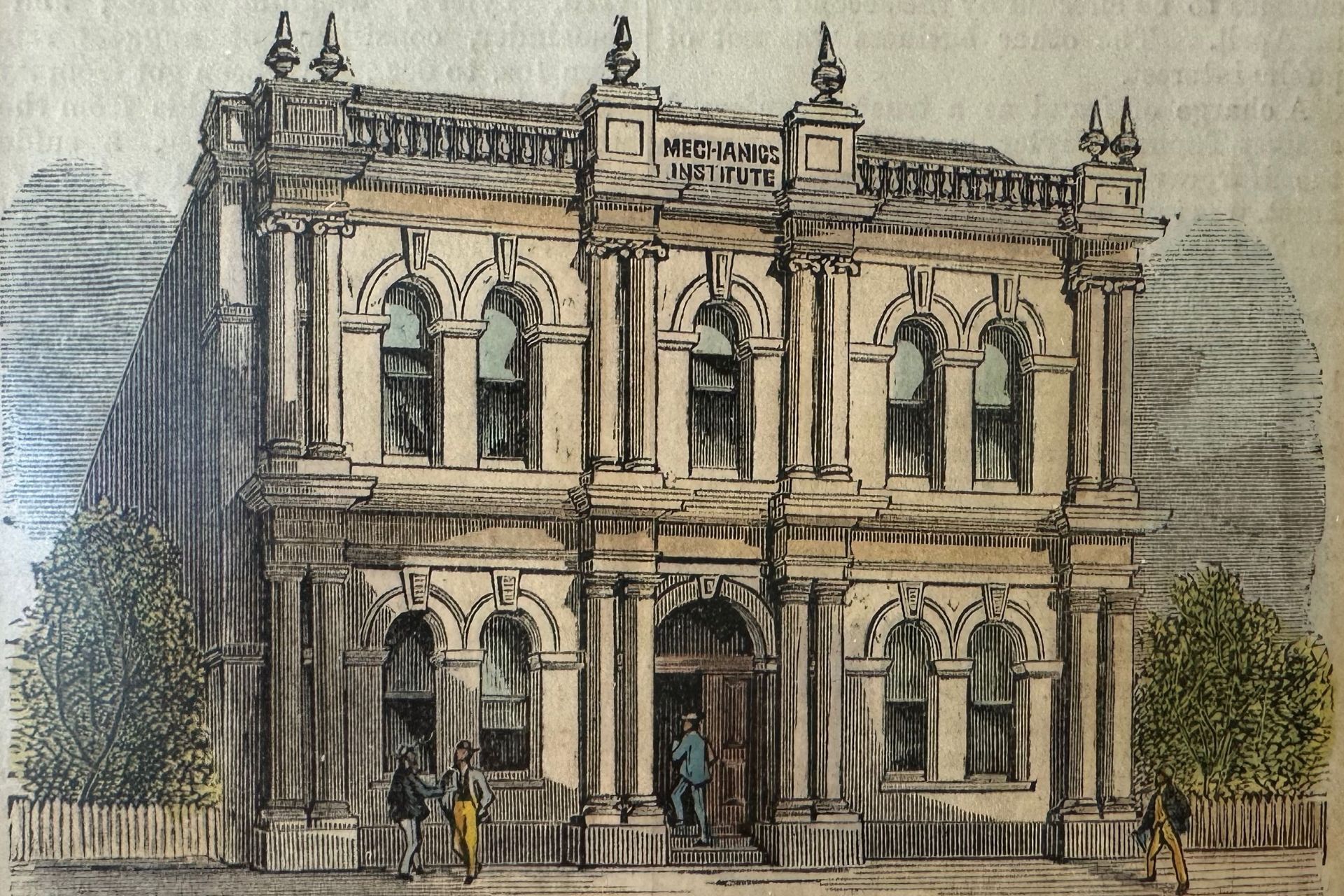
On July 10, 1860, the Williamstown Mechanics Institute was opened with an extensive soiree. With the institute’s opening, it was also decided to create a public library associated with the institute, in the hope that the institute could take advantage of the government grant for free libraries.[1] Later that year, in October, it was announced that 200 volumes had been added to the library in the last six months, bringing the total number of volumes to 940. Furthermore, upwards of 1000 books had been issued to users in the library’s first half-year of being opened.[2]
Reports from later that decade continued to outline the extensive additions to the library, including “the writing of our most celebrated Philosophers, Statemen, and Travellers.” The committee sought not to only add to the library works of fiction, but also “those works which have a direct tendency to instruct and elevate the minds of readers.” In April 1867, it was reported that 1,932 books had been issued in the past six months, revealing the steady rise in popularity of the library.[3] By May 1869, £2500 had been spent on the Mechanics Institute building, and the library’s total number of books had reached 2,532. Ability to loan books from the Melbourne Library meant that members could choose from 4,000 books in total. It was also at this time that a “most comfortable and attractive” reading room was opened, which hosted a fireplace and “the most popular newspapers and magazines of the time.”[4] Later that year, in October, an auction was held to get rid of damaged books. The proceeds of the auction were to be for the purchase of new books, thus “maintain[ing] the high standard of excellence which [the] Library has attained,” and providing library members with “works of the great writers of the day”, including those in disciplines such as theology, science, arts, history, biography, travels, poetry, and fiction. With satisfaction, the committee also noted that attendance of the reading room had increased considerably.[5]
In April 1870, the committee announced that they had continued to make valuable additions to the library, displaying “great discrimination in choosing only such as will tend the elevate the taste of the readers.” Books added included Henry Fawcett’s Manual of Political Economy, Napoleon’s Julius Caesar, Charles Dickens’ Our Mutual Friend, and Alfred Tennyson’s Holy Grail, among many others.[6] By April 1871, the library’s total number of books had now reached 2,467. The Reading Room continued to be well-attended, including by seamen who frequent the Williamstown piers, who were allowed free admission.[7] In July 1873, a report from the annual meeting of the Victorian Seamen’s Mission announced that 30,000 to 35,000 seamen visited Victoria each year, revealing the importance of the free reading room at Williamstown.[8]
In April 1888, at the institute’s AGM, it was suggested that there should be more attention given to accommodation in the reading room, which would “induce youths to cultivate literary knowledge instead of congregating at corners and walking about the streets.”[16] The library was thus seen as of vital importance in educating Williamstown’ youth.
In October 1891, another letter to the editor of the Chronicle urged the social and individual importance of the library:
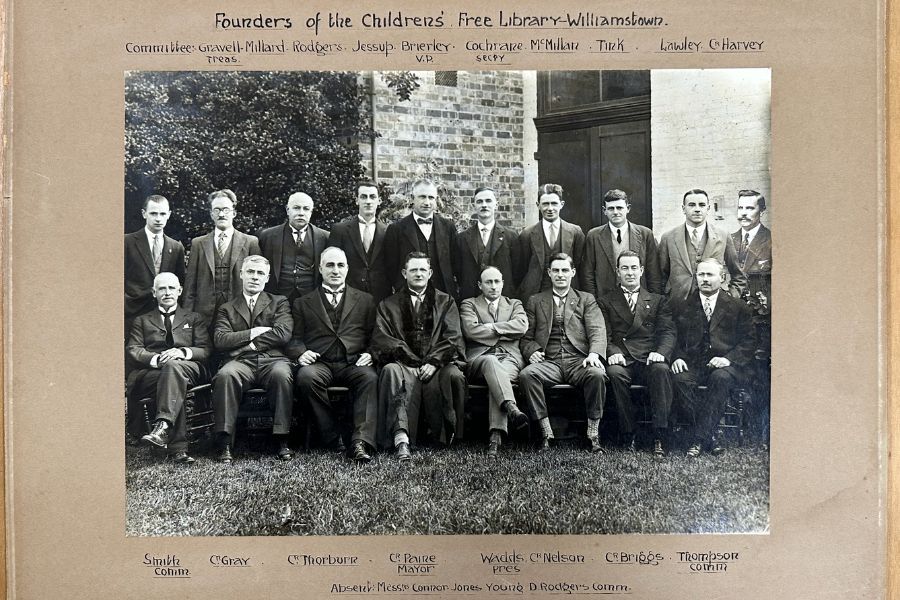
In February 1936, the financial position of the library was satisfactory: renovations to rooms were in full swing, and arrangements were made for the opening of a group educational system in the children’s library.[29] In March, the children’s library was opened, with accommodation for 40 readers. There were 300 children waiting at the library’s opening. The Director of Education, J. McRae opened the group educational section of the children’s library, remarking that “the children of Williamstown were to be envied.”[30] In December, it was noted that there had been 30,000 visits to the library in the past year.[31]
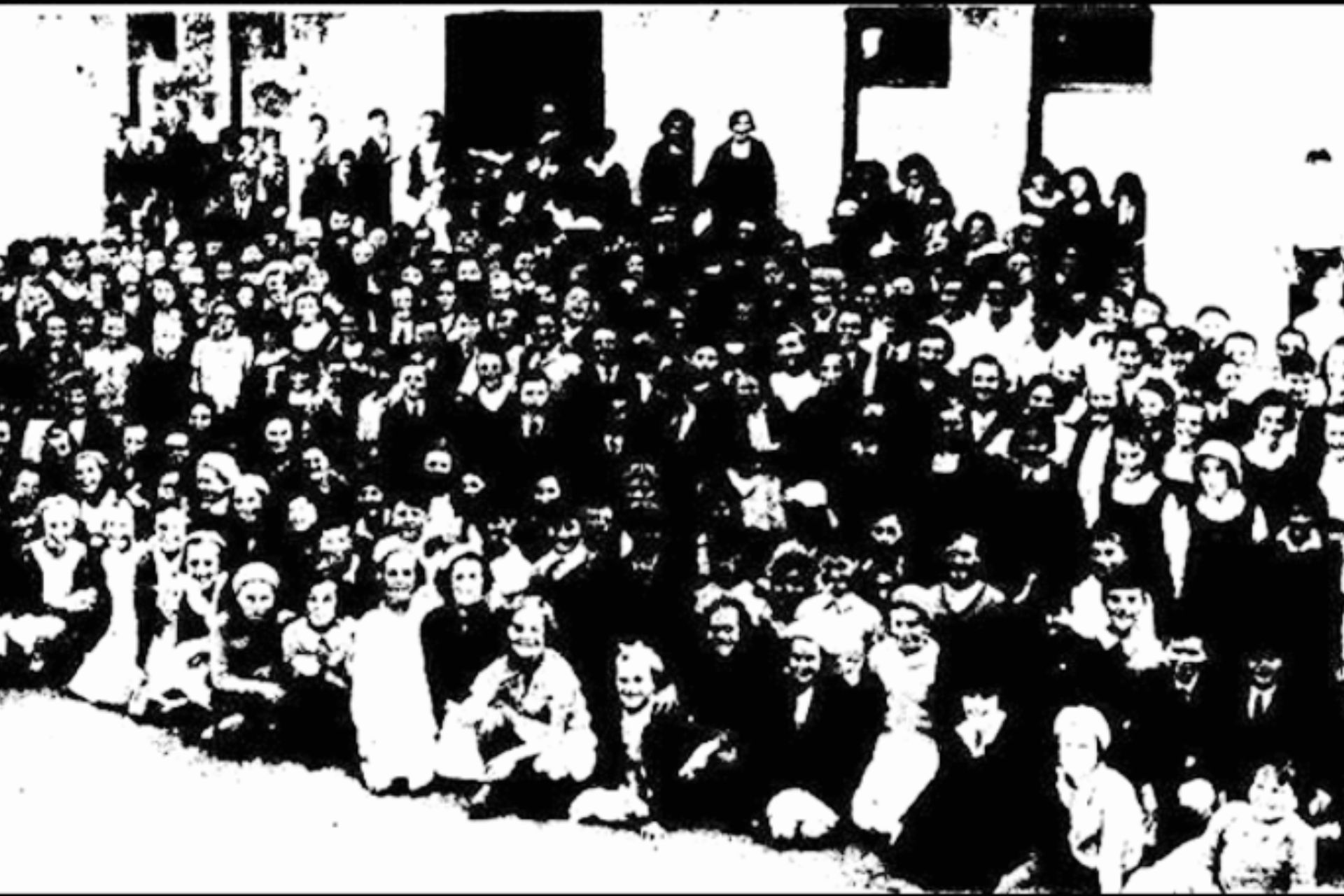
By July 1937, the Children’s Library had proved to be of value. Yearly attendance of the library was now at 40,000.[32] On July 24, the institute was visited by the former Director of Education, a representative of the Council for Scientific and Industrial Research, the headmistress of Williamstown Girls’ School, headteachers of other schools in the district, the president of the Libraries’ Association of Victoria, and more. Mr Tate, the Director of Education, praised the librarian for valuing the relationship of the school with the library. Visitors overall expressed the opinion that Williamstown was doing great work as a spearhead for Victoria.[33]
In February 1938, the Shepparton Advertiser published an article advertising the Williamstown library, titled “Williamstown’s Fine Example”. It wrote that notable progress had been made at Williamstown, where a valuable development of the ‘library movement’ is the establishment of the Educational Group Section, where school pupils attend and their teachers allot their pupils reading tasks in history, geography, literature, music, art, health, and more. The article emphasises the importance of the library to students: “Those chiefly concerned are the children – the citizens of the future. Does it pay to give them a wider outlook, the power to find knowledge for themselves, and the habit of thinking and reasoning for themselves? We in Williamstown think it does.”[34] In August 1938, it was noted that Williamstown’s reading room was one of the best in the State: it was free of charge and open 72 hours per week. Furthermore, the educational group section was leading in Australia, with the implementation of two modern picture machines to show educational films.[35]
At the August 1941 AGM, it was announced that the Williamstown library was the best on this side of Melbourne, with 633 new books being added that year. The library had also been providing free books to nursing and fighting forces, which was announced to be most likely the best of any Victorian library.[36] By October that year, there was now 8,000 books to choose from in the library.[37] The children’s library continued to grow in popularity – by 1945, it was noted that 8,500 children had been members since it had opened.[38] Other parts of the library continued to also be of great use. In August 1946, the secretary of the institute noted that the main hall and lodge had been used on 130 occasions over the past five months.[39]
If you would like to read more about the Williamstown Mechanics' Institute, please click here.
References:
- Argus, July 10, 1860.
- Williamstown Chronicle, October 13, 1860, pg. 3.
- Williamstown Chronicle, April 13, 1867, pg. 6.
- Williamstown Chronicle, May 1, 1869, pg. 5.
- Williamstown Chronicle, October 23, 1869, pg. 3
- Williamstown Chronicle, April 16, 1870, pg. 4.
- Williamstown Chronicle, April 29, 1871, pg. 5.
- Leader, July 12, 1873, pg. 12.
- Williamstown Chronicle, October 31, 1874, pg. 3.
- Williamstown Chronicle, October 27, 1877, pg. 4.
- Chronicle, April 12, 1879, pg. 3.
- Williamstown Chronicle, October 18, 1879, pg. 2.
- Williamstown Chronicle, November 1, 1879, pg. 4.
- Williamstown Chronicle, April 17, 1886, pg. 2.
- Williamstown Chronicle, April 17, 1886, pg. 2.
- Williamstown Chronicle, April 28, 1888, pg. 2.
- Williamstown Chronicle, October 31, 1891, pg. 3.
- Williamstown Chronicle, January 28, 1899, pg. 3.
- The Age, January 30, 1903, pg. 6.
- Williamstown Chronicle, May 15, 1909, pg. 3.
- Williamstown Chronicle, November 21, 1925, pg. 2; Age, November 19, 1925, pg. 7.
- Argus, January 24, 1927, pg. 12.
- Williamstown Chronicle, May 5, 1928, pg. 2.
- Williamstown Chronicle, August 4, 1928, pg. 2.
- Williamstown Chronicle, July 27, 1929, pg. 2.
- Williamstown Chronicle, September 21, 1929, pg. 2.
- Williamstown Chronicle, November 23, 1929, pg. 2.
- Williamstown Chronicle, August 3, 1935, pg. 7.
- Williamstown Chronicle, February 22, 1936, pg. 6.
- Argus, March 28, 1936, pg. 18.
- Age, December 14, 1936, pg. 19.
- Williamstown Chronicle, July 24, 1937, pg. 3.
- Age, July 24, 1937, pg. 28; Williamstown Chronicle, July 31, 1937, pg. 1.
- Shepparton Advertiser, February 7, 1938, pg. 8.
- Williamstown Chronicle, August 6, 1938, pg. 2.
- Williamstown Chronicle, August 1, 1941, pg. 7.
- Williamstown Chronicle, October 24, 1941, pg. 6.
- Williamstown Chronicle, March 16, 1945, pg. 1.
- Williamstown Chronicle, August 30, 1946, pg. 6.
- Williamstown Chronicle, February 12, 1954, pg. 3.
- Chronicle, April 19-26, 1962, pg. 4.
Our stories